What It Costs to Charge an EV vs Fill Up a Gas Car

"EVs are cheaper to run" is one of those things people say at barbecues. Sometimes it's true. Sometimes it's very true. And sometimes, if you do all your charging at the priciest fast chargers in town, it's barely true or not true at all.
So instead of a slogan, here's the formula, so you can run the numbers for your own life.
The formula
To work out what it costs to drive an EV a certain distance:

Cost = miles ÷ miles per kWh × price per kWh
Three inputs:
Miles. How far you drive. A month, a year, a commute, whatever you want to compare.
Miles per kWh. How efficient the car is. The EPA label (and fueleconomy.gov) lists efficiency in kWh per 100 miles. To flip it into miles per kWh, divide 100 by that number. For example, 30 kWh/100 miles works out to about 3.3 miles per kWh.
Price per kWh. What you pay for electricity. Check your utility bill for your real rate, including delivery charges.
And for the gas car you're comparing against:
Cost = miles ÷ miles per gallon × price per gallon
That's it. No calculus. We promise.
A worked example (with real averages)
Let's plug in national averages. Remember, these are averages and assumptions, not your prices. Your utility, your state and your car will change the answer.
Assumptions for this example:
Distance: 1,000 miles.
EV efficiency: 3.5 miles per kWh (our assumption for a typical efficient midsize EV; check your car's label).
Gas car: 30 miles per gallon (our assumption for comparison).
Electricity: 18.31 cents per kWh, the US average residential price for July 2026, from the US Energy Information Administration (released September 24, 2026).
Gas: $4.478 per gallon, the US average price of regular gasoline for the week of September 21, 2026, also from the EIA (released September 22, 2026).
The math:
Energy used for 1,000 miles | Price | Cost | |
|---|---|---|---|
EV, charged at home | 1,000 ÷ 3.5 = about 286 kWh | $0.1831 per kWh | about $52 |
Gas car | 1,000 ÷ 30 = about 33.3 gallons | $4.478 per gallon | about $149 |
In this example, home charging costs roughly a third of what gas does. That's a nice number. But look at how many assumptions went into it.
Why your number will be different
Electricity prices vary a lot by state. The same EIA table shows the New England average residential price at 28 cents per kWh in July 2026, well above the national average.
Gas prices move. The EIA's weekly data show regular gas was about $1.30 a gallon higher in late September 2026 than a year earlier. When gas is cheaper, the gap shrinks.
Charging isn't perfectly efficient. Some energy is lost along the way, so your electric meter will usually record a bit more than the battery actually stores. Pad the estimate a little.
Your car's efficiency matters. A big electric truck uses a lot more energy per mile than a small hatchback. So does a big gas truck, to be fair.
Why public fast charging costs more
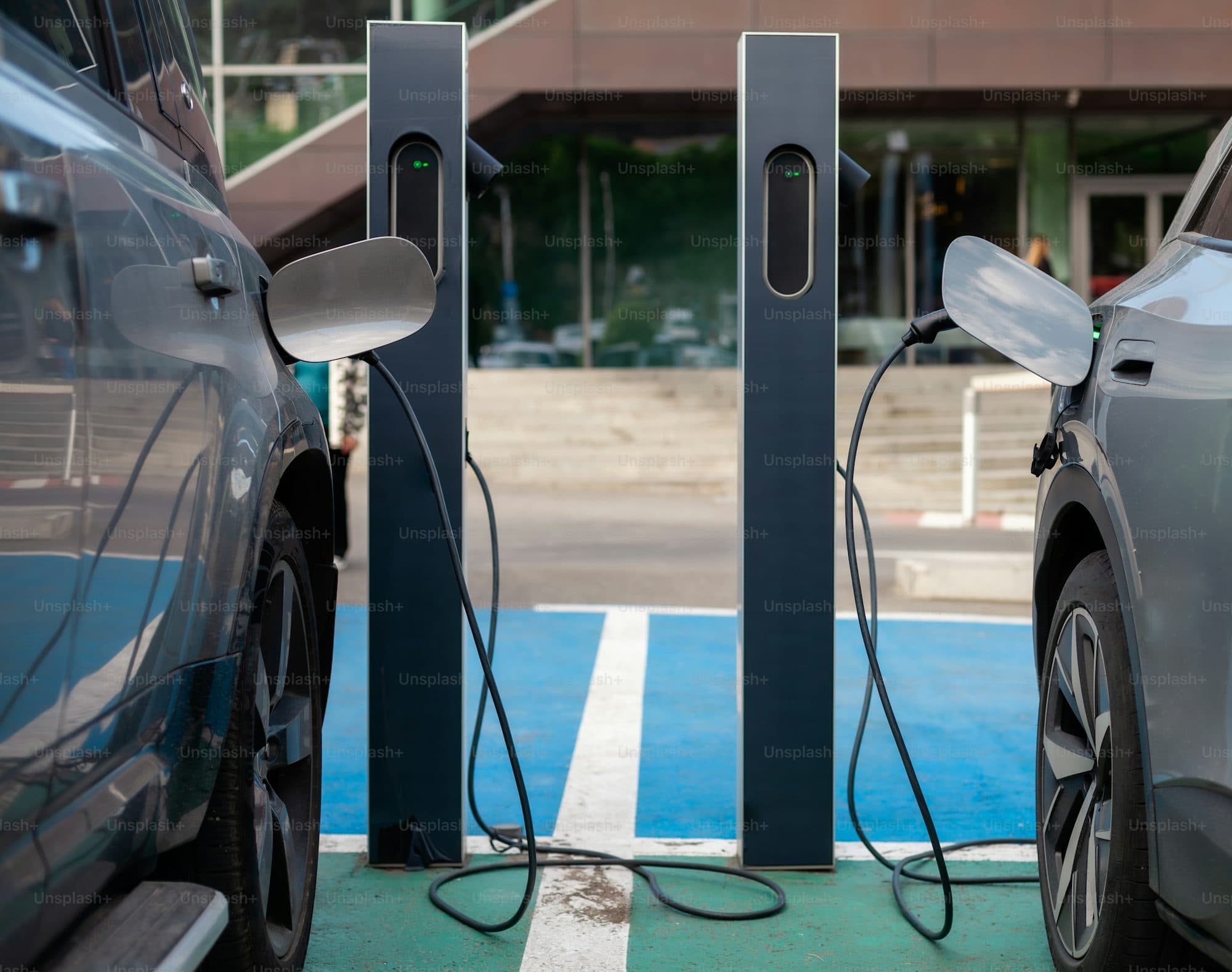
Home electricity is one price. DC fast charging on a highway is a different product: you're paying a network for speed and convenience, and its prices reflect that.
Pricing varies by network, location, time of day and membership. Electrify America, for example, says its price depends on the charger location, your plan and the energy delivered. One industry tracker, Paren, reported an average US fast-charging price of about $0.53 per kWh in the first quarter of 2026.
Run our same 1,000-mile example at $0.53 per kWh:
286 kWh × $0.53 = about $151
That's roughly the same as the gas car in our example. So:
Charge mostly at home: the numbers can look great.
Charge mostly at fast chargers: the savings can shrink a lot, or disappear.
If you can't charge at home, build that into your math before you buy. It's the single biggest swing factor.
Time-of-use rates: the cheat code (that isn't really a cheat)
Many utilities offer time-of-use (TOU) plans, where electricity costs less at certain hours, often overnight. California's utility regulator, for example, notes that EV rate plans from several California utilities have a very low "super off-peak" price to encourage charging at those times.
How to use it:
Call your utility or check its website for EV or TOU rate plans.
Look at the whole plan, not just the cheap hours. Running the dishwasher and AC during peak hours can cost more on some TOU plans.
Schedule charging. Check whether your car or home charger can set a start time, so it charges during the cheap hours while you sleep.
Whether TOU saves you money depends on your household's habits. Do the math with your own bill before switching.
What this means for buying a used EV
When you're comparing a used EV with a gas car, fold fuel into the total cost:
Look up the EV's efficiency on fueleconomy.gov by year, make and model.
Grab your real electricity rate from your bill.
Be honest about where you'll charge. Home, work, or mostly public fast charging?
Run the formula for your annual miles.
Then weigh it next to the other costs: price, insurance, tires, maintenance and any home charger install. Fuel is one line in the budget, not the whole budget.
If you're shopping used EVs on Frunkery, you can set a free alert for the make and model you're considering, so you're not refreshing listings while you do the math.
The short version
The formula: miles ÷ miles per kWh × price per kWh. Compare it to miles ÷ mpg × gas price.
Our worked example: 1,000 miles cost about $52 on home electricity at the July 2026 US average (18.31 cents per kWh) vs about $149 in a 30-mpg car at the September 21, 2026 US average for regular ($4.478 a gallon).
Fast charging changes the math. At about $0.53 per kWh, the same 1,000 miles cost about $151.
Time-of-use plans can lower home charging costs, depending on your utility and habits.
It depends. Your state, your utility, your car and where you charge decide whether an EV saves you money, and how much.
Thinking of selling? Sell your electric vehicle on Frunkery — free to list, with no commission when it sells.
List your EV free